Iceland Elopement Photography in Winter: An Expert Guide
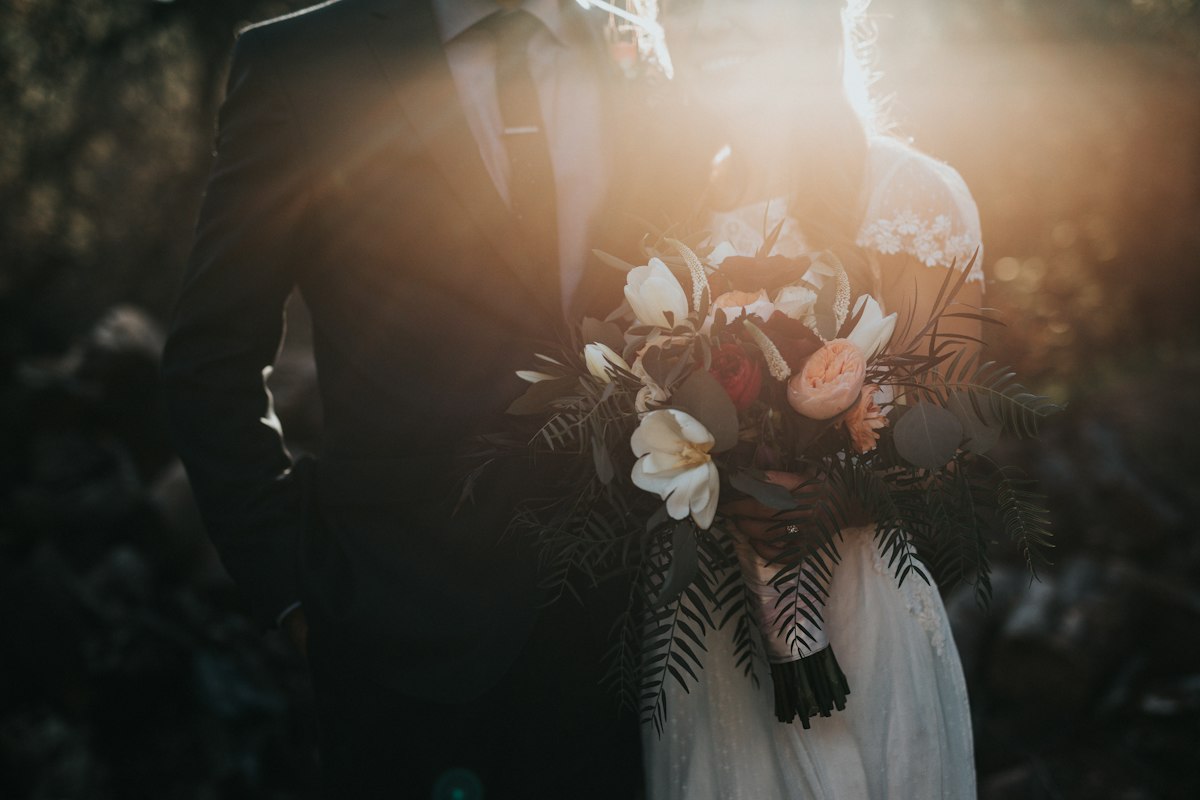
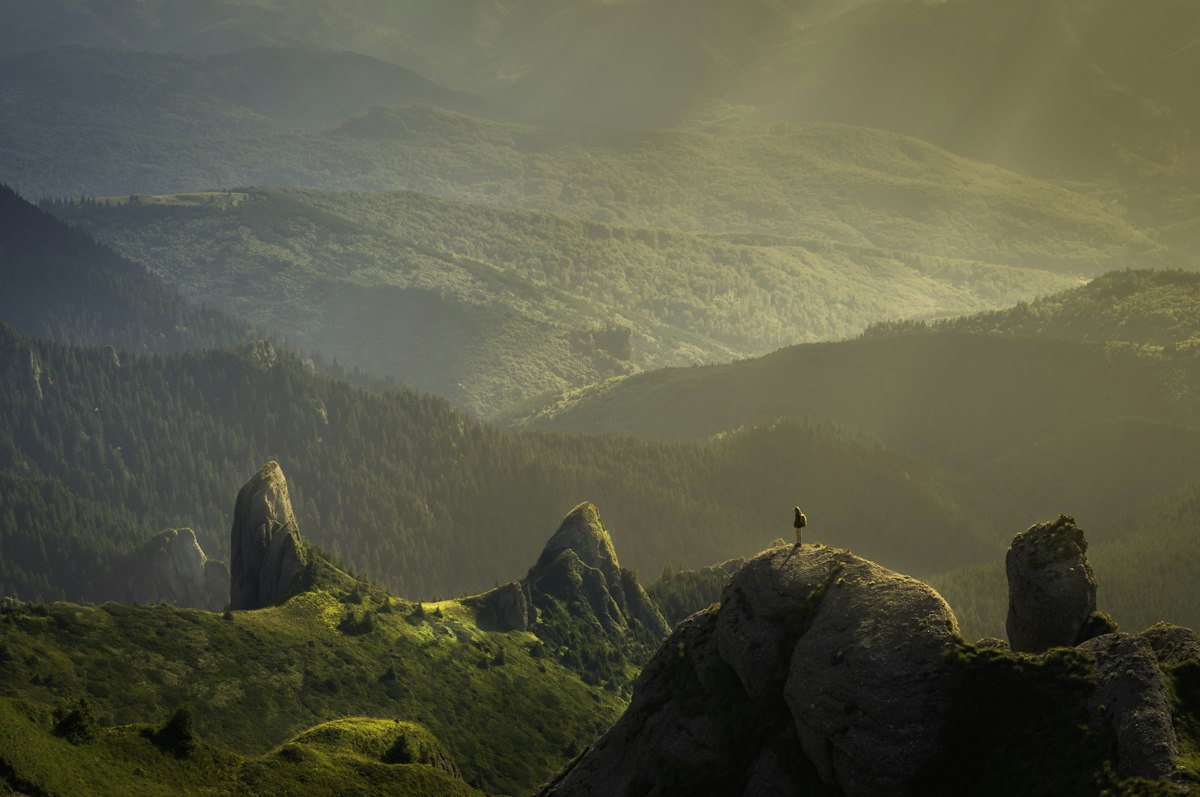
Iceland is a land defined by its contrasts, where the fiery energy of geothermal springs meets the crystalline silence of ancient glaciers. For those seeking an intimate and visually stunning experience, Iceland elopement photography in winter provides a canvas unlike any other on Earth. As the sun lingers low on the horizon, casting a perpetual golden glow across the snow-dusted Highlands, the opportunity for evocative storytelling becomes truly unparalleled.
Winter Shoot Quick Facts
- Peak Season: November to March for snow and ice caves.
- Daylight Hours: Approximately 4 to 5 hours in mid-winter (11:00 to 15:30).
- Key Locations: Vík, Jökulsárlón Glacier Lagoon, and the Snæfellsnes Peninsula.
- Temperature: Ranges from -10°C to 5°C, but wind chill is the primary factor.
- Essential Gear: Crampons, thermal layers, and weather-sealed camera bodies.
Selecting the Ultimate Arctic Locations
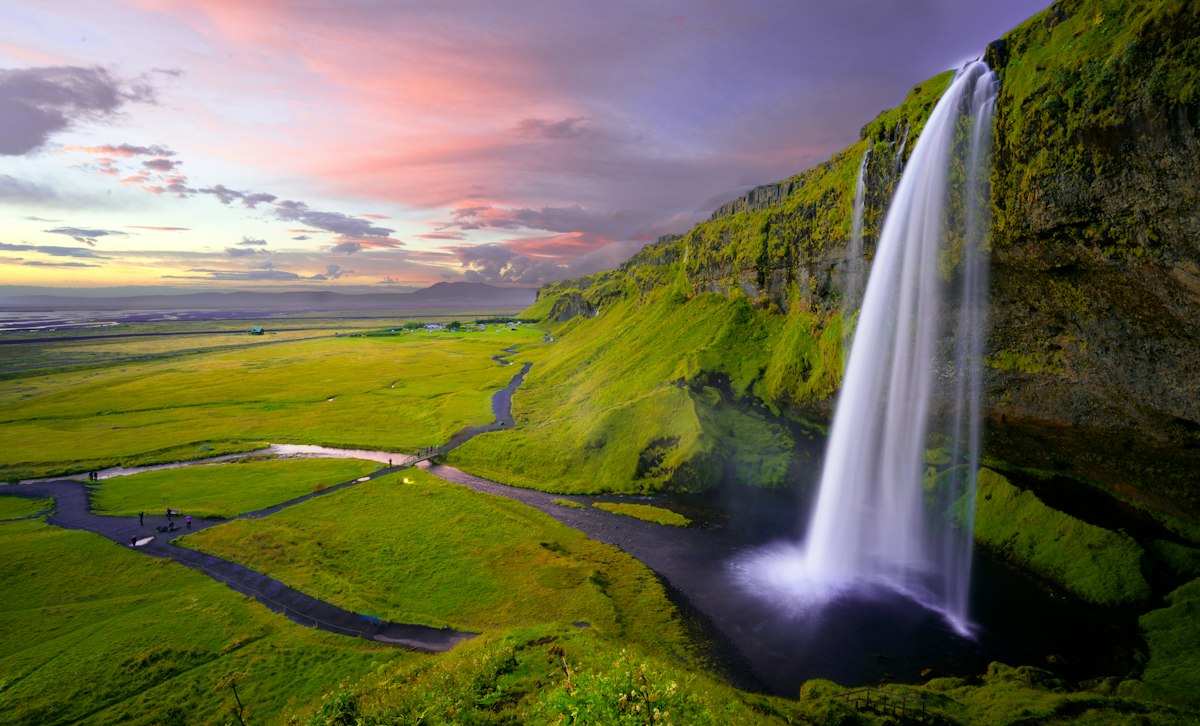
Choosing the right setting for your session is the most critical step in destination shoot planning. In the winter months, the South Coast remains the most accessible and visually diverse region. Locations such as the Skógafoss waterfall become otherworldly as the surrounding cliffs freeze into intricate ice sculptures. The contrast between the white spray and the dark basalt rock creates a monochrome masterpiece perfect for elopement photography.
Further east, the Diamond Beach at Jökulsárlón offers a surreal landscape where icebergs wash ashore onto black volcanic sands. These natural crystals glint under the soft Arctic sun, providing a textured foreground that adds depth to every frame. For those seeking seclusion, the Snæfellsnes Peninsula—often called "Iceland in Miniature"—features the iconic Kirkjufell mountain, which looks particularly striking when draped in a fresh layer of frost.
Mastering the Arctic Light
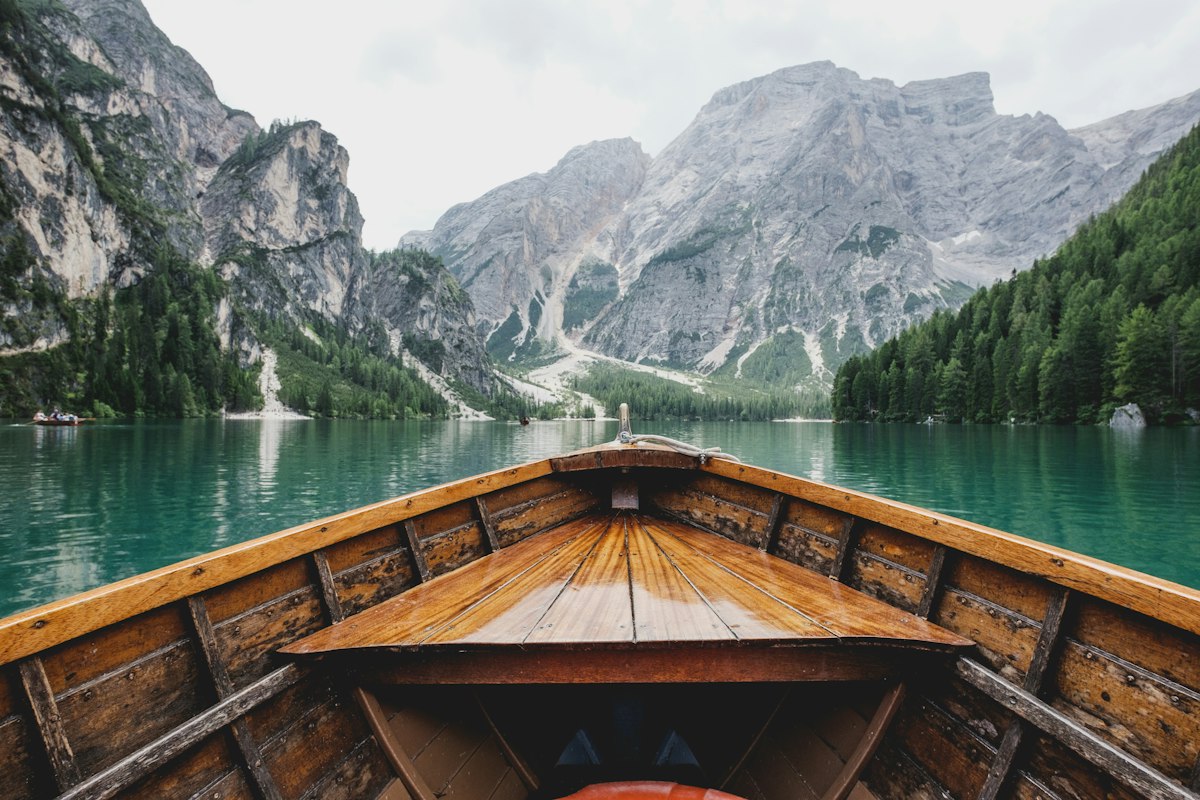
One of the most significant advantages of Iceland elopement photography in winter is the quality of light. During the winter solstice, the sun never rises high in the sky, meaning photographers are blessed with several hours of "Golden Hour" light followed by an extended "Blue Hour." This soft, diffused illumination eliminates harsh shadows and bathes the landscape in a romantic, pastel hue.
However, planning is essential. A travel photographer must be efficient, as the window of light is narrow. It is often beneficial to start the journey in the dark, reaching the first location just as the sky begins to turn a deep indigo. This allows for a full range of lighting conditions, from the moody shadows of dawn to the vibrant oranges of a low-hanging sun.
"Nature is not a place to visit. It is home. In the heart of the Icelandic winter, we find the most profound connection between the land and our own stories."
Essential Gear for the Intimate Explorer
Successful elopement photography in sub-zero temperatures requires more than just a good eye; it requires the right equipment. For the couple, aesthetic choices must be balanced with practical warmth. High-quality thermal base layers made of merino wool are a non-negotiable requirement under formal attire. Footwear should be waterproof and paired with ice grips or crampons to ensure safety on slick surfaces near waterfalls or on glacier tongues.
For the destination photographer, battery management is the greatest challenge. Cold temperatures drain lithium-ion batteries rapidly. I always recommend keeping spare batteries in an inner pocket close to your body heat. Additionally, using weather-sealed lenses is vital, as the combination of sea spray and falling snow can be relentless. Iceland elopement photography in winter demands resilience from both the gear and the participants.
Capturing the Aurora Borealis
No winter trip to Iceland is complete without the pursuit of the Northern Lights. Integrating the Aurora into your travel photography requires patience and a bit of luck. The best strategy is to monitor the Kp-index and cloud cover forecasts closely. Choosing a location with minimal light pollution, such as the remote areas around Vík or the Budir Black Church, will yield the best results.
- Steady Footing: Always use a sturdy tripod for long exposures.
- Focusing: Set your lens to manual focus and use the "infinity" setting or a bright star to ensure sharpness.
- Aperture: Shoot wide open (f/2.8 or lower) to capture as much light as possible.
- Patience: The lights can appear and disappear within minutes; stay ready.
Frequently Asked Questions
What is the best month for Iceland elopement photography in winter?
February and March are often considered the best months. You benefit from increasing daylight hours while still having a high probability of snow-covered landscapes and access to the spectacular natural ice caves which are only safe to enter in the coldest months.
How do we stay warm during a destination photo session?
The key is layering. Wear thermal leggings and tops under your formal wear, use hand warmers inside your gloves, and keep a heavy parka nearby to throw on between shots. Bringing a thermos of hot cocoa or tea is also a great way to maintain core temperature during outdoor sessions.
Is it safe to drive in Iceland during the winter?
Winter driving in Iceland can be challenging due to high winds and icy roads. We highly recommend hiring a 4x4 vehicle and checking the road.is website multiple times a day. If you are not confident driving in Arctic conditions, consider hiring a local driver or a travel photographer who includes transportation.
Do we need a permit for photography at major landmarks?
Some locations, such as National Parks like Þingvellir, may require a permit for commercial photography or organized elopement sessions. It is essential to check the latest regulations for each specific site during your destination shoot planning to ensure you are respecting local laws and conservation efforts.
How many hours of photography should we book?
Because travel times between locations can be significant and daylight is limited, a minimum of 4 to 6 hours is recommended. This allows for a relaxed pace, time for outfit changes, and the ability to wait for the perfect light at key spots like the Reynisfjara black sand beach.
Conclusion: Your Arctic Story Awaits
Embarking on a journey for Iceland elopement photography in winter is an adventure that rewards the brave with some of the most spectacular imagery imaginable. By focusing on preparation, respecting the power of the Icelandic climate, and embracing the unique light of the north, you can create a visual legacy that feels both timeless and raw. At Snapway, we believe that every journey deserves to be documented with artistry and precision. Start planning your winter odyssey today and let the landscapes of the north tell your unique story.