Essential Travel Photography Gear for Destination Shoots in 2026

Selecting the right travel photography gear for destination shoots is a delicate balance between professional quality and lightweight portability. Whether you are trekking through the Scottish Highlands or navigating the neon streets of Tokyo, your kit must be reliable, versatile, and ready for any environment.
As a seasoned elopement photographer, I have spent years refining my kit to handle the unpredictable nature of working on location. There is a unique thrill in capturing a couple’s story against a backdrop they have travelled thousands of miles to see, but that thrill quickly fades if your equipment isn't up to the task. Today, I am sharing my personal recommendations for the best travel photography gear for destination shoots to help you document your next adventure with Snapway.
Quick Overview: The Destination Kit
- Primary Camera: High-resolution mirrorless body (e.g., Sony A7R V or Fujifilm X-T5).
- Versatile Lens: A 24-70mm f/2.8 or a 28-200mm all-rounder.
- Support: Carbon fibre travel tripod and a secure camera clip.
- Storage: Dual V60/V90 SD cards and a rugged external SSD.
- Power: Minimum of three spare batteries and a high-capacity power bank.
Selecting the Best Travel Photography Gear for Destination Shoots
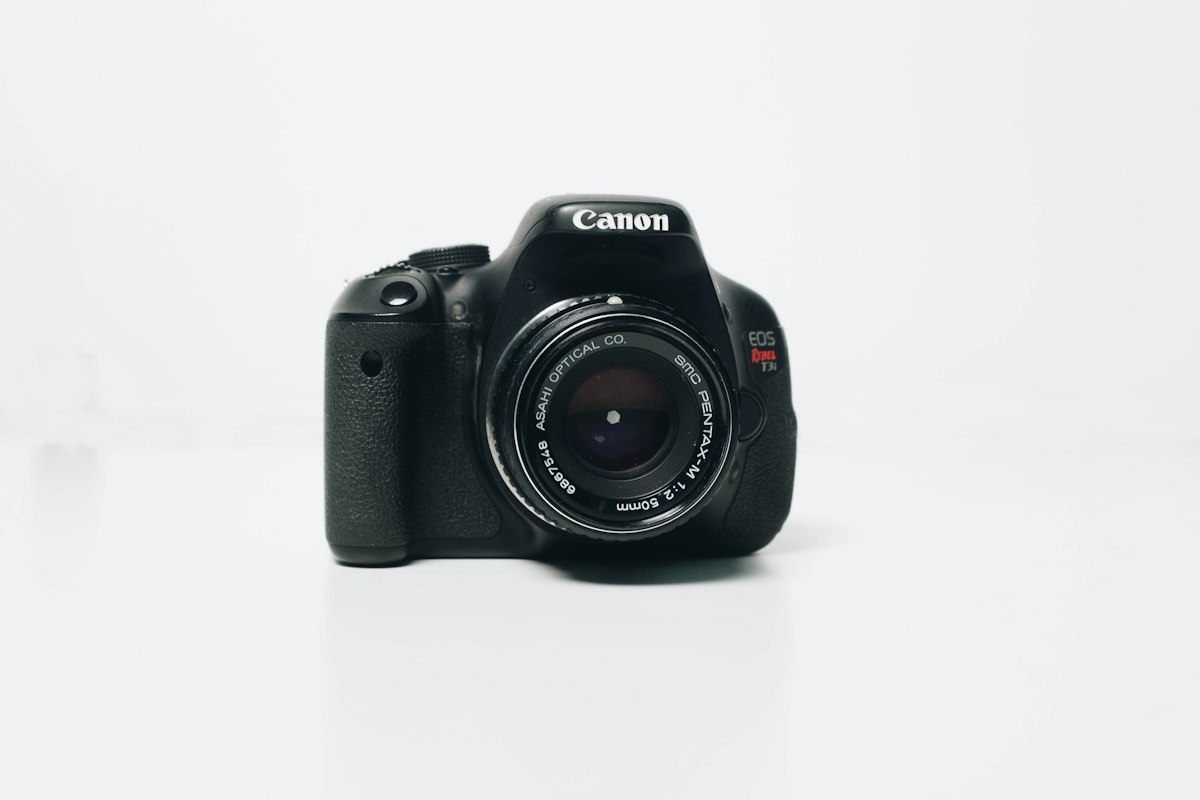
When I am planning a shoot in a location like Iceland or the Isle of Skye, the first thing I consider is weight. As a destination photographer, you are often hiking to remote viewpoints or walking several miles through a city like London to find the perfect light. Mirrorless systems have revolutionised this process, offering full-frame quality in a fraction of the size of traditional DSLRs. I personally rely on a dual-body setup; having two cameras allows me to keep a wide-angle lens on one and a telephoto on the other, ensuring I never miss a candid moment while fumbling with lens caps.
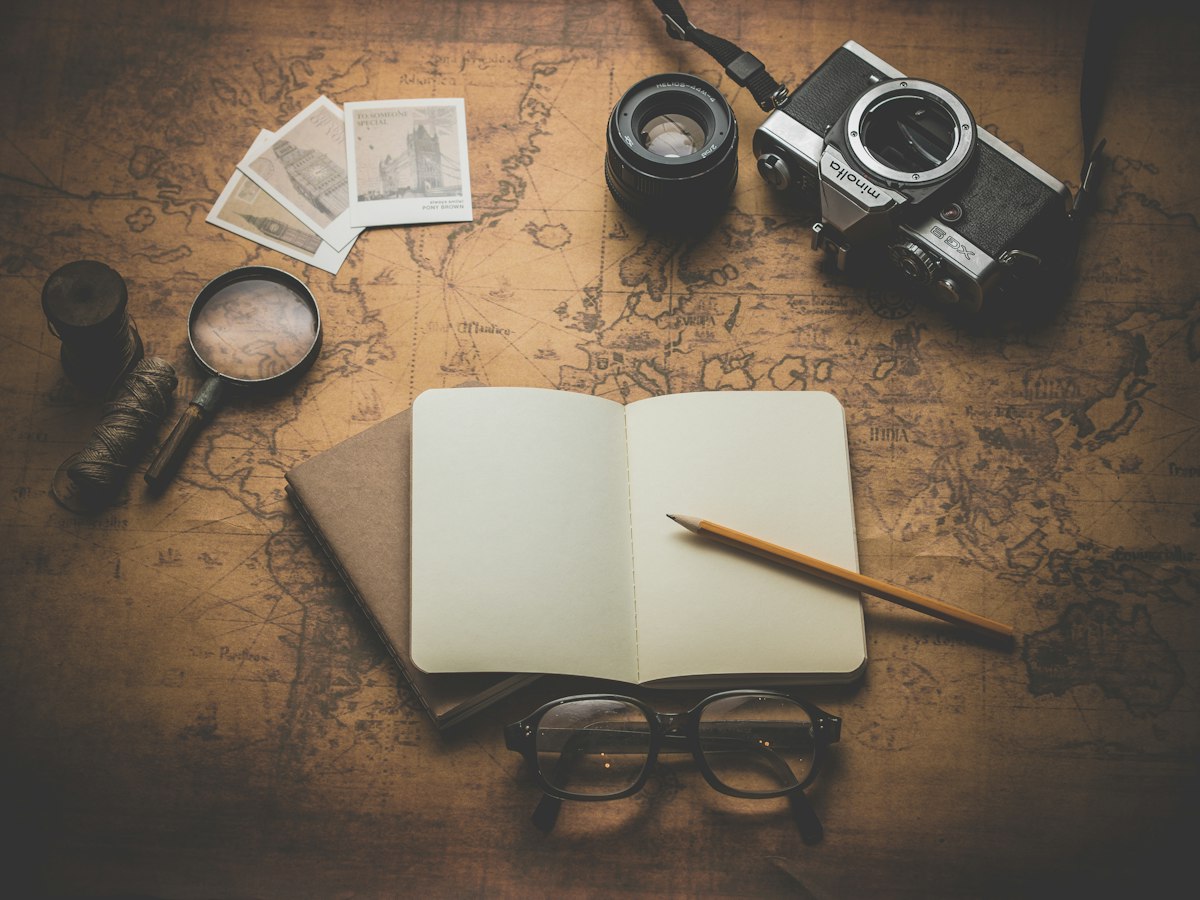
Your choice of glass is equally critical. While prime lenses offer beautiful bokeh, a high-quality zoom is often the most practical travel photography gear for destination shoots. A 24-70mm lens covers everything from wide environmental portraits to intimate close-ups. If you are heading to a destination with vast landscapes, such as the Dolomites, adding a 16-35mm wide-angle lens to your bag is essential for capturing the true scale of the scenery.
Stability and Support on the Move
Long-exposure shots of waterfalls or blue-hour cityscapes require absolute stability. However, carrying a heavy studio tripod is not feasible for most elopement photographers. I recommend a carbon fibre travel tripod, such as the Peak Design Travel Tripod, which folds down to the diameter of a water bottle. This allows you to maintain sharpness in low-light conditions without adding significant bulk to your luggage.
"A camera is a save button for the mind’s eye, allowing us to freeze a moment in time that would otherwise be lost to the wind." — Roger Kingston
Another game-changer for my workflow is the camera clip. Attaching your camera to your backpack strap rather than using a traditional neck strap keeps your hands free for scrambling over rocks or checking GPS maps. This small piece of travel photography gear for destination shoots ensures your camera is always accessible, which is vital when the light hits a peak in the Swiss Alps and you only have seconds to capture the frame.
Power, Storage, and Data Security
Nothing ends a shoot faster than a dead battery or a full memory card. When trip planning for remote areas, I always assume there will be no access to mains power for at least 24 hours. I carry a 20,000mAh fast-charging power bank that can top up my camera via USB-C between locations. For storage, I never rely on a single card; I use cameras with dual slots to write images to two cards simultaneously, providing an instant backup in case of card failure.
- Organise with Packing Cubes: Use padded inserts to turn any backpack into a camera bag.
- Weather Protection: Always pack a dedicated rain cover for your bag and a few microfibre cloths.
- Global Connectivity: Keep an AirTag in your gear bag to track it during international flights.
- Lens Filters: A circular polariser is essential for cutting glare on water and enhancing sky contrast.
Specialised Tools for Unique Perspectives
To truly elevate a destination gallery, I often incorporate a drone. A sub-250g drone like the DJI Mini series is an incredible addition to your travel photography gear for destination shoots because it often bypasses the stricter registration requirements of heavier aircraft while still providing 4K aerial views. Seeing a couple from a bird's-eye view against the rugged coastline of Cornwall adds a cinematic layer to the story that ground-level shots simply cannot replicate.
Frequently Asked Questions
What is the most important travel photography gear for destination shoots?
The most important piece of gear is a versatile, high-quality zoom lens, such as a 24-70mm f/2.8. This allows you to capture a wide variety of shots without needing to change lenses frequently in dusty or wet environments.
How do I protect my camera gear while travelling abroad?
Always carry your essential gear in a carry-on bag rather than checked luggage. Use a weatherproof backpack and consider gear-specific insurance that covers international theft and accidental damage.
Should I use a drone for my destination photo session?
Drones are excellent for capturing the scale of a location, but you must research local regulations first. Many national parks and cities have strict no-fly zones that you must respect.
How many batteries do I need for a full-day elopement shoot?
I recommend carrying at least three fully charged batteries. Cold weather can drain batteries faster, so keep spares in an internal pocket close to your body heat if shooting in winter conditions.
Is a tripod necessary for travel photography?
While not always necessary for daytime portraits, a lightweight tripod is essential for low-light shots, long exposures of water, and capturing sharp images during the blue hour.
Conclusion: Ready for Your Next Adventure
Investing in the right travel photography gear for destination shoots is about more than just technical specs; it is about giving yourself the freedom to focus on the couple and the landscape. By choosing a kit that is lightweight, durable, and versatile, you ensure that the logistics of the shoot never get in the way of the art. If you are ready to book a professional to capture your next journey, explore the talented elopement photographers available on Snapway today. Let’s make your next destination shoot truly unforgettable.